
Building a playground means balancing safety, fun, and environmental responsibility. At Pacific Playground, we recognize that our clients are increasingly prioritizing sustainability alongside durability. Choosing the right eco-friendly playground surfacing involves understanding the source of the materials, their longevity, and their impact on the surrounding ecosystem.
How to Choose Eco-Friendly Playground Surfacing Materials
Recycled Rubber Innovations
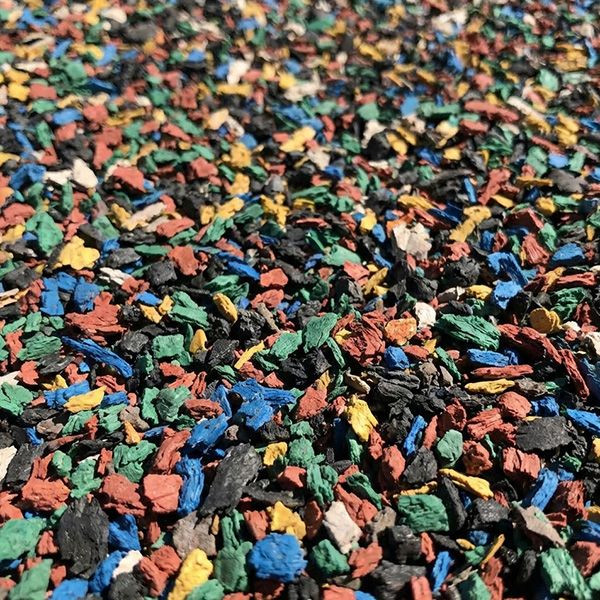
One of the most effective ways to reduce waste is by choosing poured-in-place rubber or shredded rubber mulch. These systems frequently utilize high percentages of recycled tire rubber, diverting thousands of tires from landfills. By transforming post-consumer waste into a safety surface, we provide a durable, high-performance solution that directly contributes to the circular economy.
Natural and Biodegradable Options
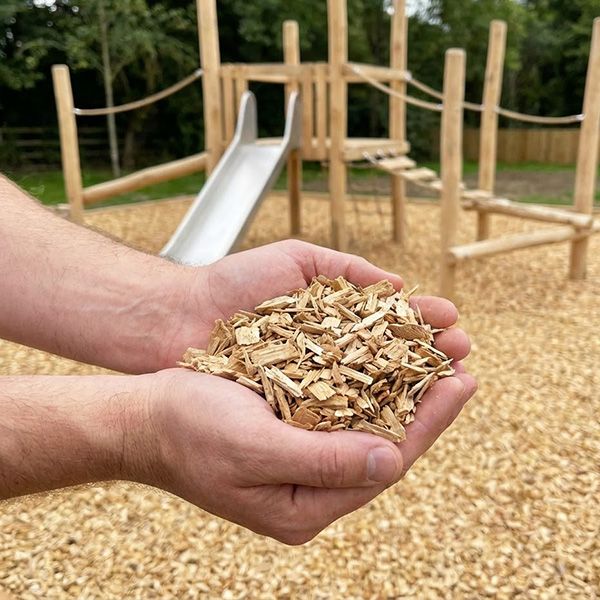
For projects prioritizing organic materials, engineered wood fiber (EWF) is a strong contender. Sourced from virgin wood, EWF is a natural, biodegradable material that offers a rustic aesthetic and good impact absorption. While it requires regular maintenance to ensure accessibility and depth, it remains a popular choice for nature-inspired playgrounds looking to minimize synthetic footprints.
Water Conservation with Artificial Turf
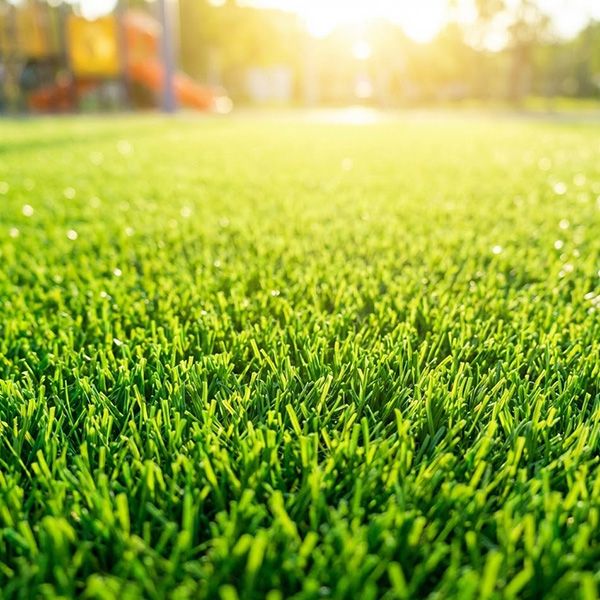
In drought-prone regions, water conservation is a critical component of environmental stewardship. Artificial turf eliminates the need for watering, fertilizers, and pesticides required by natural grass. Modern synthetic grass systems are designed to be permeable, allowing rainwater to drain efficiently into the ground, which helps manage stormwater runoff and recharge local aquifers.
Long-Term Durability and Waste Reduction
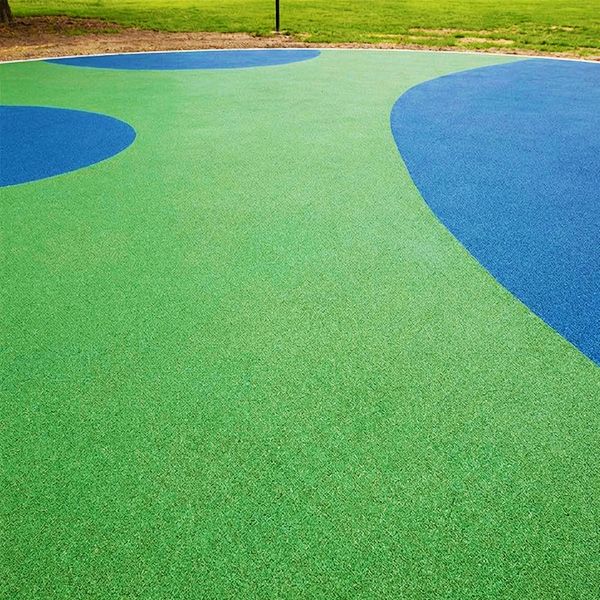
True sustainability also considers the lifecycle of a product. A surface that needs frequent replacement generates more waste over time. High-quality playground surfacing, like professionally installed poured-in-place rubber, is engineered to last for years with minimal intervention. Investing in durability means consuming fewer resources for repairs and replacements in the long run.
Deciding on the "greenest" surface depends on which environmental factor is most important to your community—whether it is using recycled content, conserving water, or using biodegradable materials. We are committed to helping you navigate these choices. Contact us today to explore our sustainable surfacing options and build a playground that is kind to the planet.