
Choosing the perfect playground surfacing is a critical decision that impacts safety, aesthetics, and maintenance budgets. At Pacific Playground, we often guide clients through the nuances of poured-in-place rubber versus artificial turf. Both options provide excellent fall protection, but understanding their distinct advantages helps ensure your project's long-term success.
Poured-in-Place vs. Artificial Turf: Which is Right for Your Project?
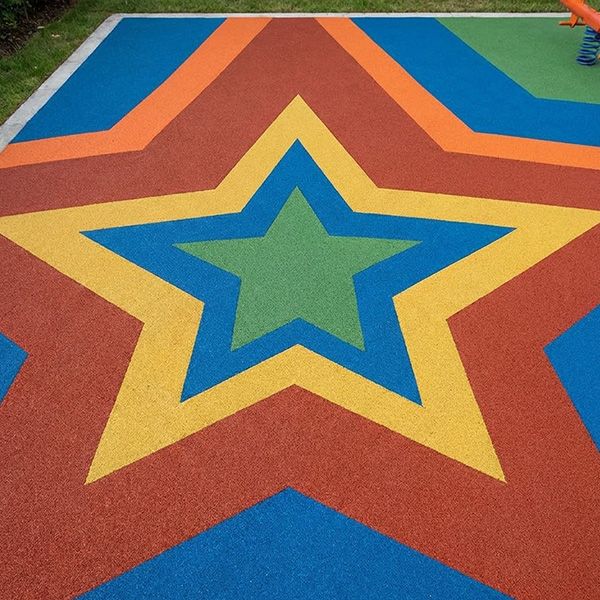
Unmatched Design Flexibility
If your vision involves vibrant colors, logos, or intricate patterns, poured-in-place rubber is often the superior choice. This material allows us to create highly customized, thematic environments that spark imagination. While artificial turf provides a lush, natural aesthetic that blends with landscapes, it generally offers fewer opportunities for creative, custom inlay designs.
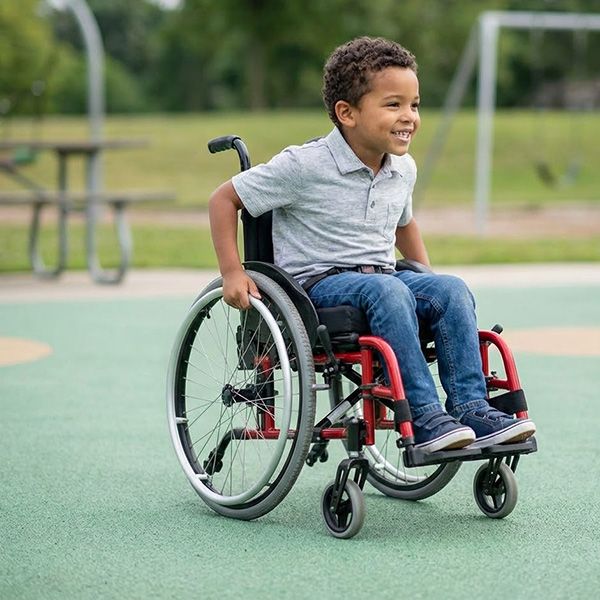
Accessibility and Uniform Safety
When prioritization centers on accessibility, poured-in-place rubber creates a smooth, seamless surface ideal for wheelchairs and strollers. It provides consistent shock absorption across the entire area. Artificial turf is also safe and ADA compliant when installed correctly, but the textured nature of grass blades can sometimes offer slightly more resistance to mobility devices.
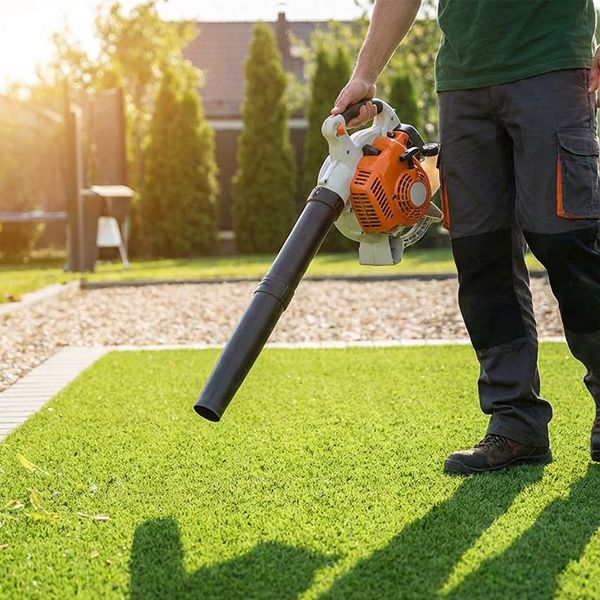
Maintenance and Long-Term Care
Maintaining your playground’s appearance requires different approaches for each material. Artificial turf typically needs occasional brushing to keep blades upright and debris removal to maintain drainage. Conversely, poured-in-place rubber is easily cleaned with a blower or hose, though it may require a professional top coat resealing after several years to extend its lifespan.

Durability in High-Traffic Zones
Both surfaces are engineered to withstand heavy use, yet they wear differently over time. Poured-in-place rubber is incredibly resilient in high-traffic zones, maintaining its integrity under constant footfalls. Artificial turf is tough, but extremely high-traffic areas might eventually show signs of matting. We help you assess your expected traffic to pick the winner.
Ultimately, the choice between these two premium surfaces depends on your specific design goals, budget, and maintenance capabilities. We are dedicated to helping you build safe, inviting spaces that last. Contact us today to discuss your project needs or request a free consultation to see which surface suits your vision best.