
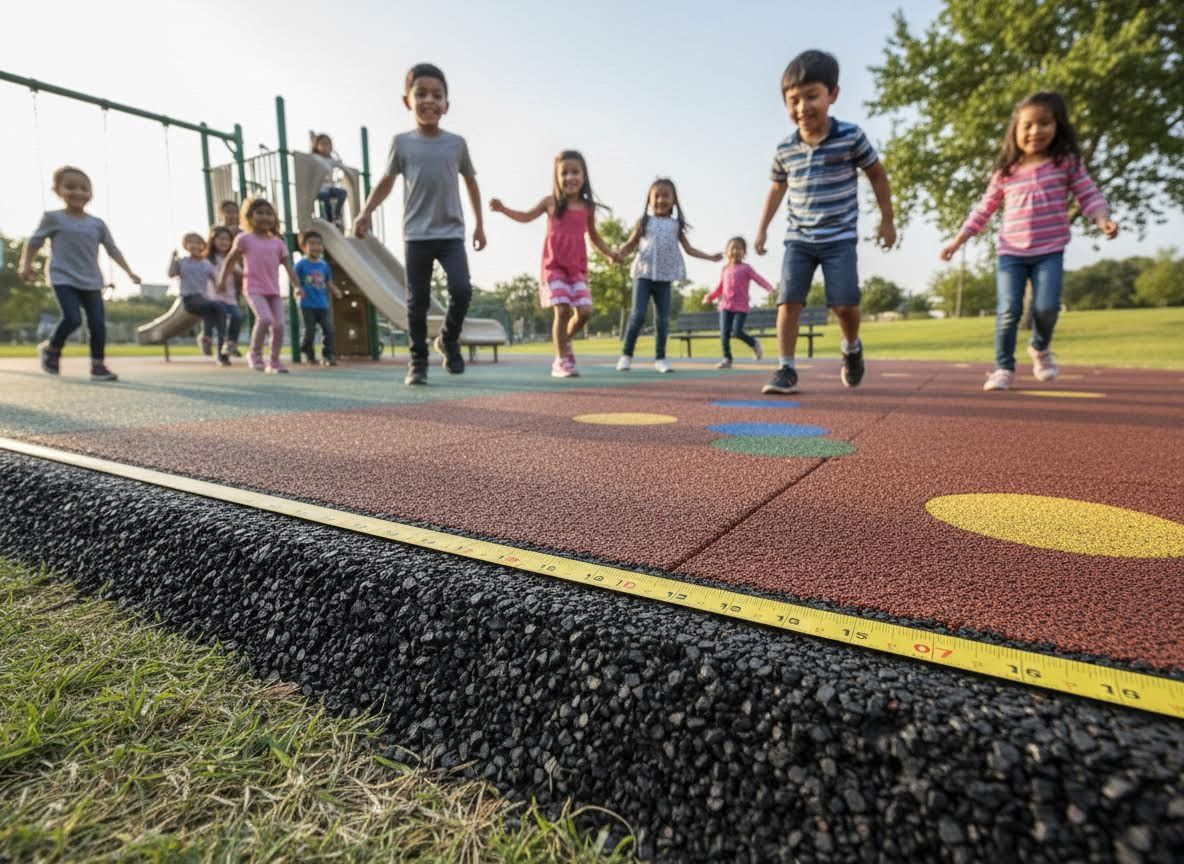
Ensuring the safety of children on a Playground is paramount, and one of the most critical factors is the proper Resurfacing of the play area. At Pacific Playground, we understand that selecting the correct thickness for your surfacing material isn't just a recommendation; it's a fundamental safety requirement. This choice directly impacts how effectively the surface can absorb impact and prevent serious injuries from falls. Let's delve into why thickness matters so much for a truly safe play environment.
The Critical Role of Critical Fall Height
The primary determinant of your Playground Resurfacing thickness is the critical fall height. This measurement represents the vertical distance between the highest designated play surface on a piece of equipment and the protective surfacing below. Every piece of play equipment, from swings to slides, has an associated critical fall height. To ensure maximum safety, the chosen surfacing material must have an impact attenuation rating equal to or greater than the critical fall height of the equipment it serves. Simply put, the higher the potential fall, the thicker and more impact-absorbing the surfacing needs to be.
Understanding Impact Attenuation and Material Properties
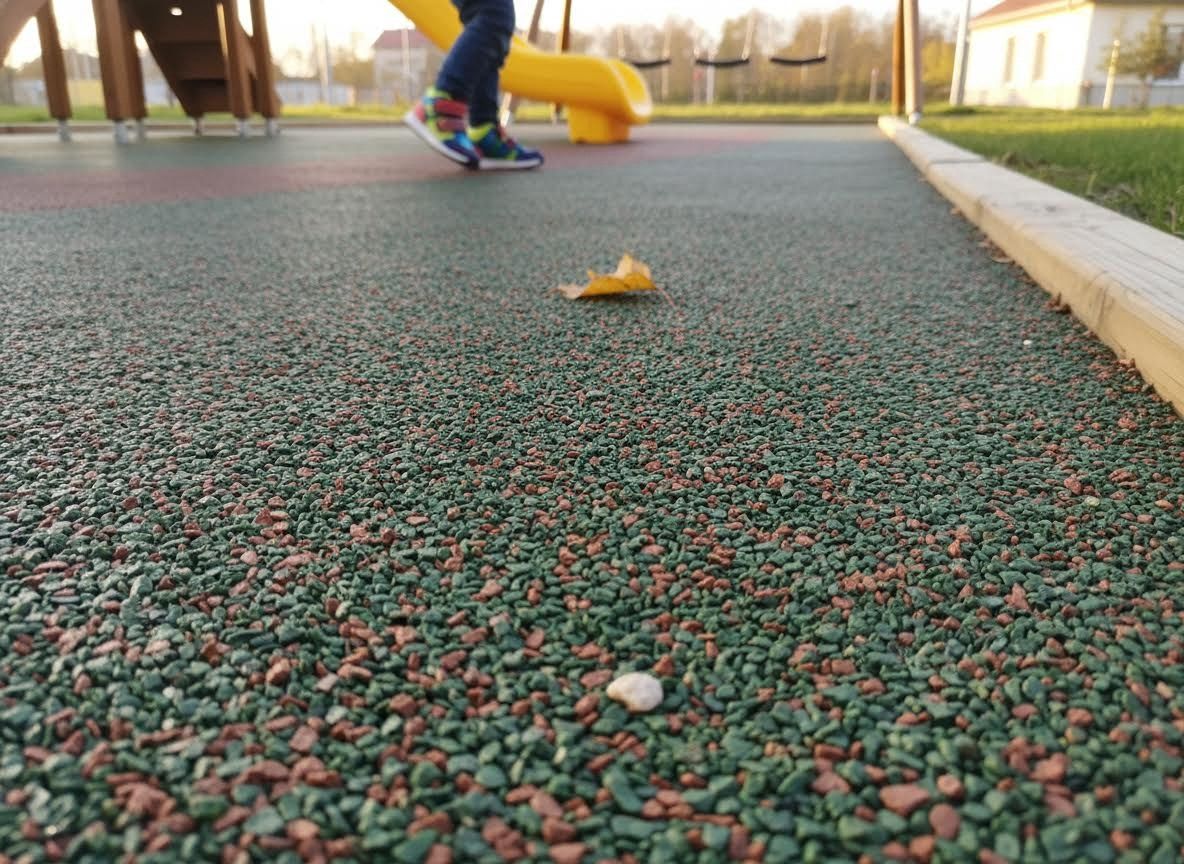
Different Playground Resurfacing materials possess varying degrees of impact attenuation – their ability to absorb energy from a fall. Materials like engineered wood fiber, rubber tiles, and poured-in-place rubber each have unique properties that influence the required thickness to meet specific critical fall heights. For instance, a certain depth of engineered wood fiber might provide the same safety rating as a thinner layer of poured-in-place rubber. It is crucial to select a material and then determine its appropriate thickness based on its tested performance, rather than assuming all materials perform equally at the same depth.
Adhering to Safety Standards and Testing
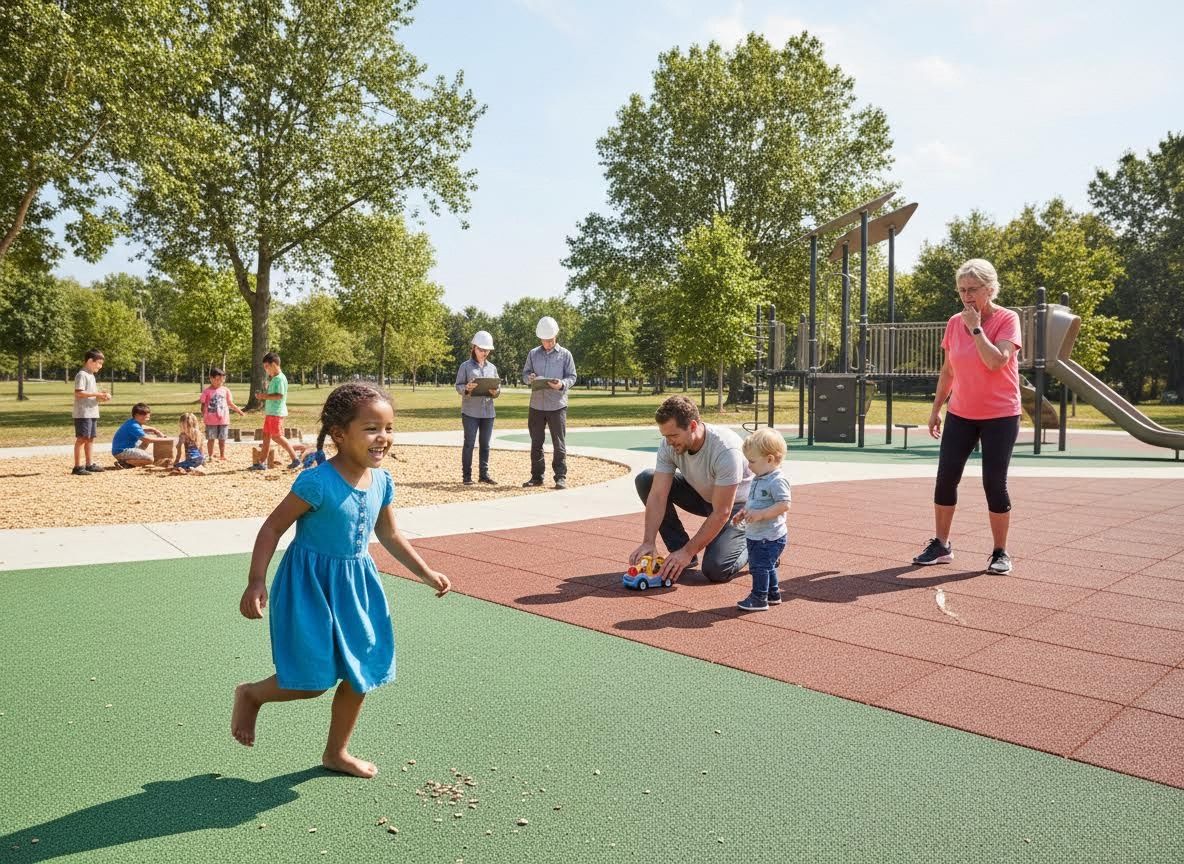
The importance of correct thickness is underscored by rigorous safety standards, such as ASTM F1292, which specifies impact attenuation requirements for Playground Resurfacing. These standards utilize tests to determine a material's Head Impact Criterion (HIC) and G-max values, which directly correlate to its critical fall height rating. When designing or renovating a play space, especially for School playgrounds or public parks, it is imperative that the installed surfacing meets these industry benchmarks. Relying on materials that have been tested and certified for their specific thickness and critical fall height ensures compliance and, more importantly, provides a safe environment for children.
The proper thickness for Playground Resurfacing is not merely a technical specification; it is the foundation of a safe play experience. By understanding critical fall height, material properties, and adherence to established safety standards, you can create an environment where children can thrive without undue risk. Pacific Playground is committed to guiding you through these crucial decisions, ensuring your play spaces are both fun and secure. To learn more about selecting the ideal surfacing solutions for your facility, explore our detailed resources on Playground safety and material specifications.