

Ensuring the safety of children on commercial playgrounds is paramount, and the surfacing beneath play equipment plays a critical role in preventing serious injuries. Engineered Wood Fiber (EWF) is a popular and effective choice, but its protective qualities are only fully realized when installed at the correct depth. At Pacific Playground, we understand that understanding these specifications is key to creating a safe and engaging play environment for all.
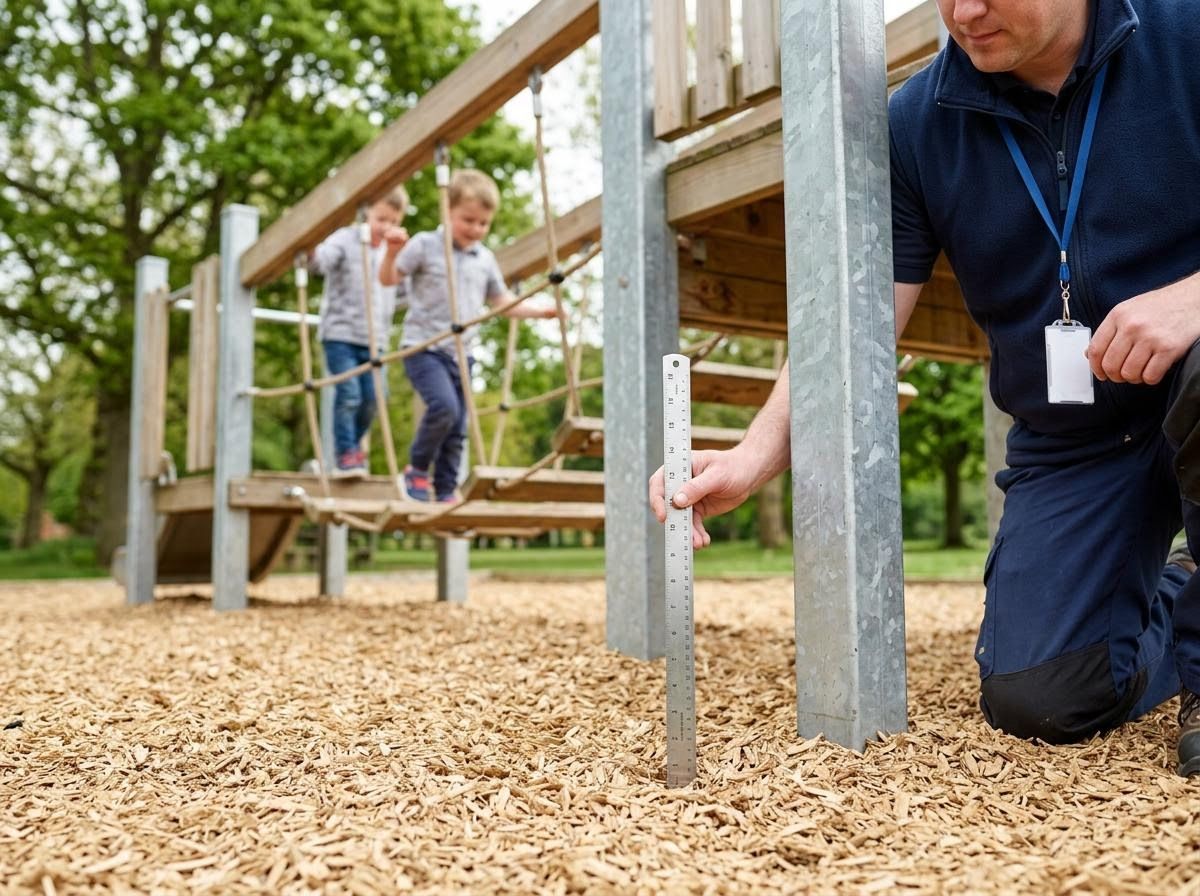
The Critical Role of EWF Depth in Playground Safety
The primary purpose of Engineered Wood Fiber (EWF) on a playground is to act as a shock absorber, mitigating the impact of a fall. The depth of this material directly correlates with its ability to reduce injury risk, particularly from falls from various heights. Insufficient EWF depth can lead to dangerous conditions where the surfacing cannot adequately cushion a child's fall, turning what should be a minor tumble into a potentially severe injury. This protective layer is the first line of defense in making playgrounds safe for active play.
Adhering to Industry Standards for Fall Protection
Determining the appropriate EWF depth isn't guesswork; it's governed by rigorous safety standards set forth by organizations such as the American Society for Testing and Materials (ASTM) and the U.S. Consumer Product Safety Commission (CPSC). These guidelines specify minimum depths based on the "Critical Fall Height" of the playground equipment. Critical Fall Height is defined as the vertical distance between the highest designated playing surface and the protective surfacing below. For EWF, a common minimum compressed depth for a 6-foot fall height is often around 9 inches, increasing with higher fall heights. It's crucial to consult the manufacturer's specifications and relevant standards for precise requirements for your specific equipment.
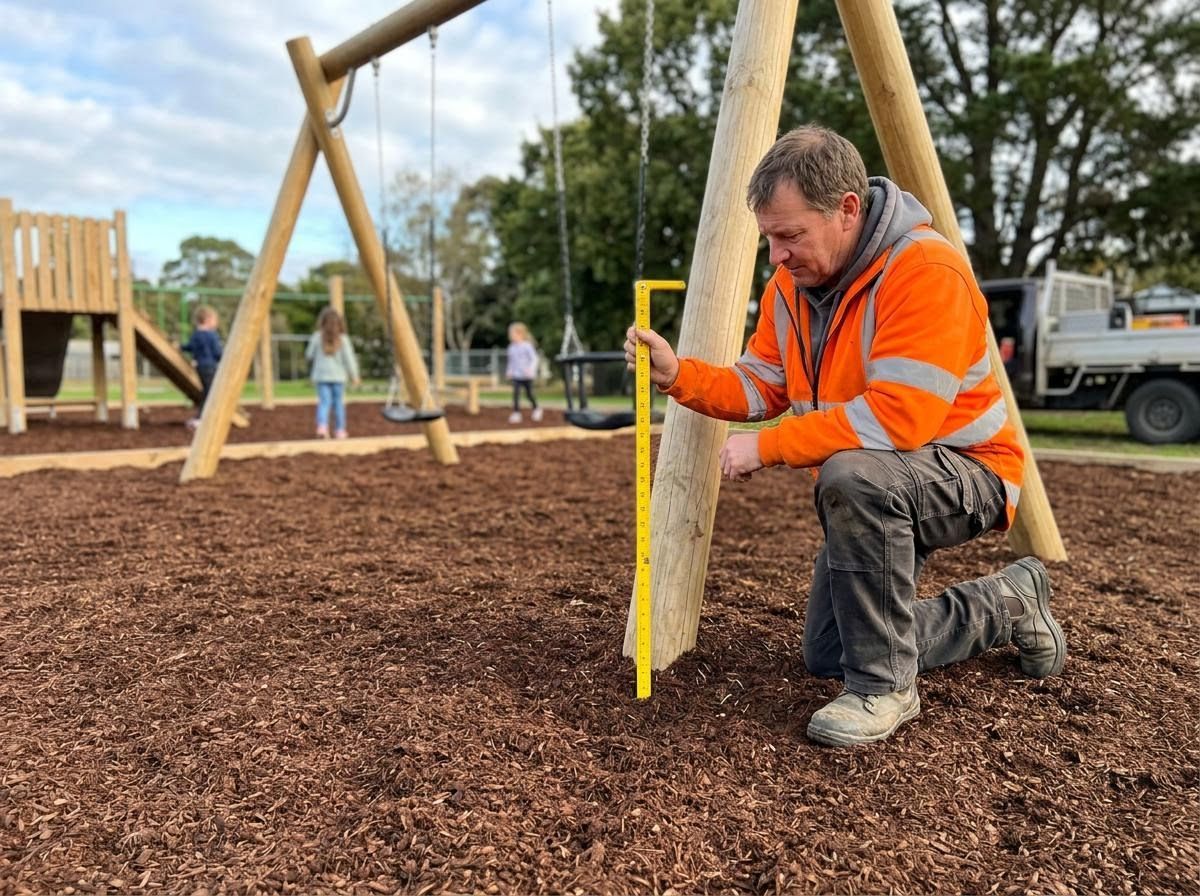
Practical Considerations for EWF Installation and Maintenance
While standards provide minimums, practical factors also influence the effective depth of EWF. Over time, EWF will compact, settle, and can be displaced from high-traffic areas like under swings or at slide exits. This compaction means that the initial installation depth often needs to be greater than the minimum required compressed depth to allow for settling. Proper drainage is also essential; EWF should be installed on a well-drained base to prevent water accumulation, which can affect its integrity and depth consistency. Regular inspection and "topping off" with fresh EWF are vital maintenance practices to ensure the surfacing consistently meets safety requirements and provides optimal fall protection.
Creating a safe and compliant commercial playground requires careful attention to every detail, especially the depth of your protective surfacing. By understanding the critical role of Engineered Wood Fiber, adhering to established safety standards, and implementing diligent maintenance practices, you can ensure your play area remains a secure and enjoyable space. For detailed insights into playground surfacing requirements and safe installation practices, explore resources from trusted industry professionals.