
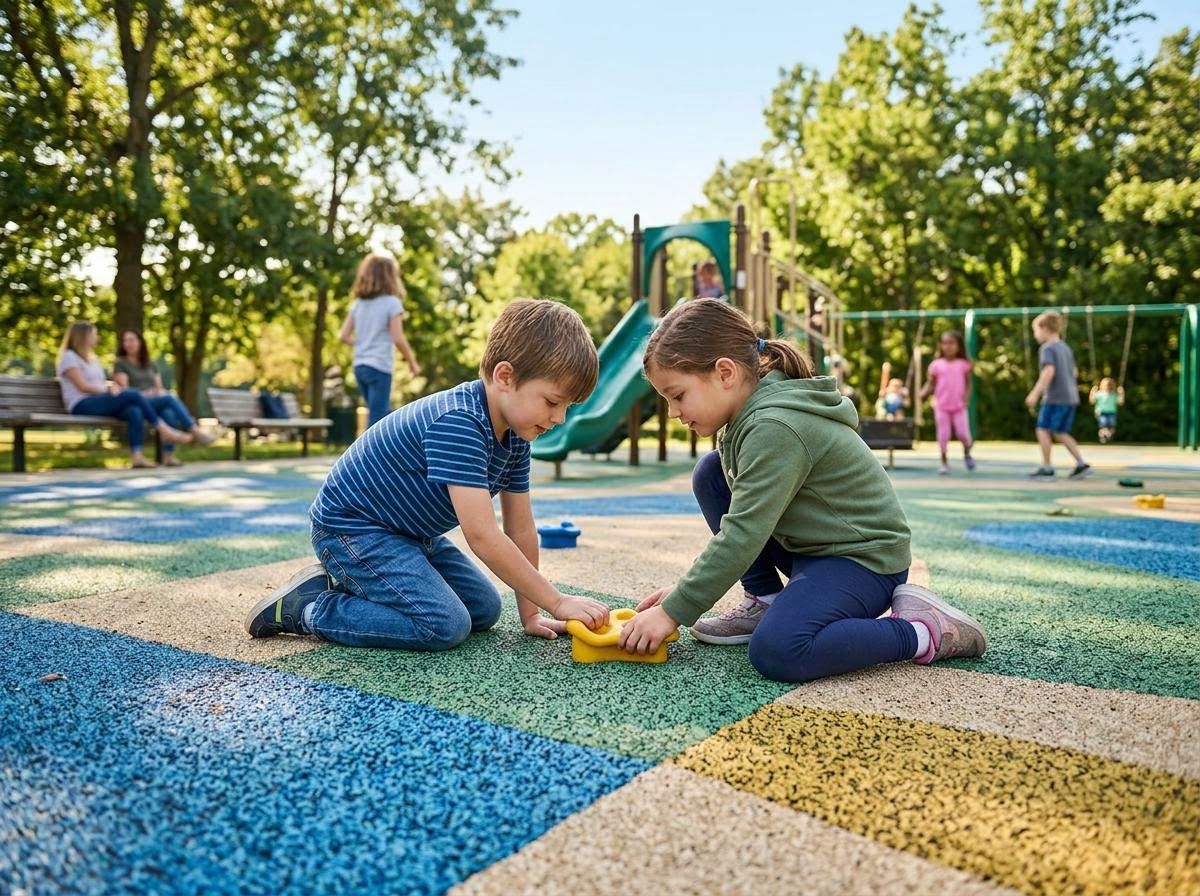
Poured-in-place (PIP) rubber surfacing has become a gold standard for playground safety, offering a vibrant, seamless, and cushioned environment for children to play. When considering such an investment for your community, school, or park, a common question naturally arises: how long can you truly expect this durable surface to last? At Pacific Playground, we understand the importance of making informed decisions for long-term safety and enjoyment.
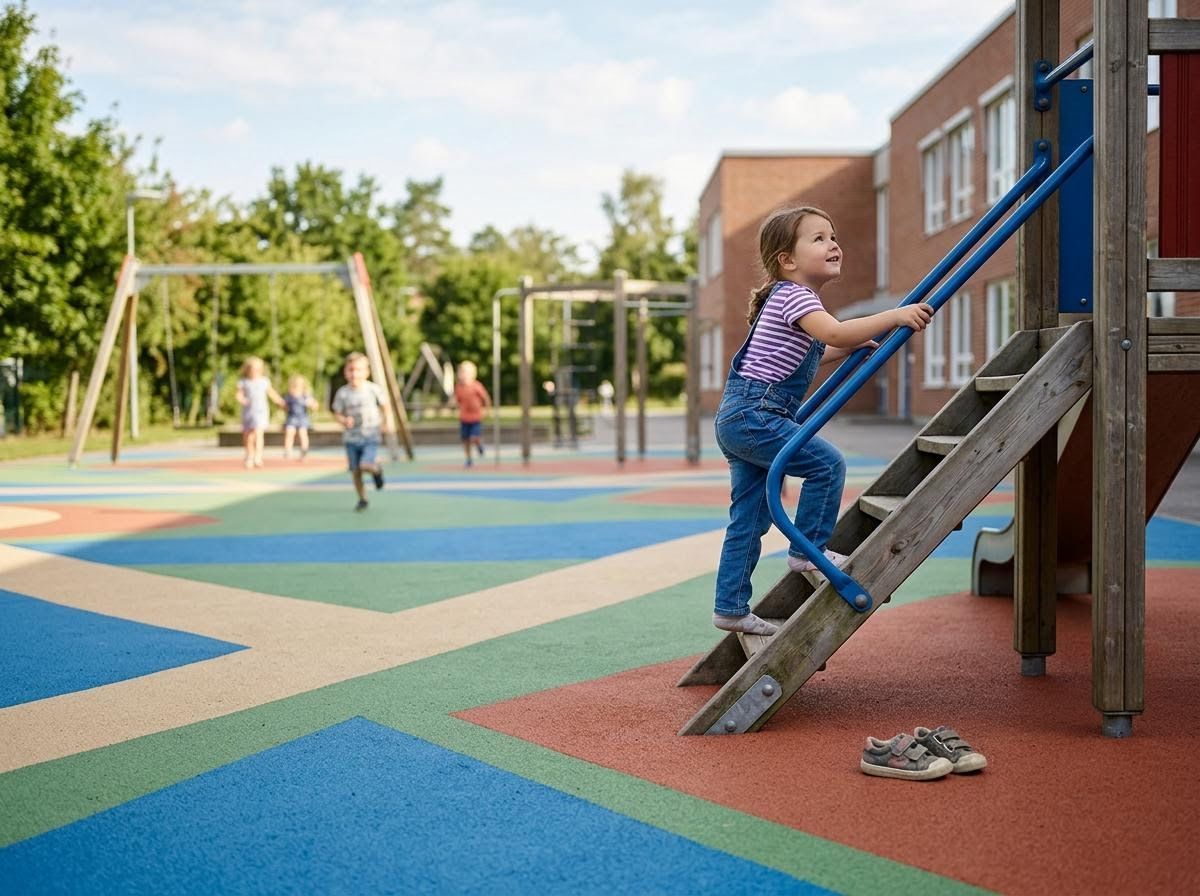
Understanding Poured-in-Place Rubber Surfacing
Poured-in-place rubber surfacing is an innovative safety solution created by mixing rubber granules with a binding agent on-site and then troweling it to create a continuous, resilient surface. This unique process allows for custom designs, colors, and precise thickness to meet specific fall height requirements, ensuring maximum safety and aesthetic appeal. Unlike loose-fill materials like wood chips or sand, PIP rubber provides a stable, accessible surface that doesn't displace, offering consistent impact attenuation across the entire play area.
Key Factors Influencing Longevity
The lifespan of your poured-in-place rubber surface isn't solely determined by the material itself; several critical factors play a significant role. Firstly, the quality of materials used, including UV-resistant EPDM rubber granules and durable binders, is paramount. Substandard materials can lead to premature fading, hardening, or cracking. Secondly, professional installation by experienced contractors is crucial. Proper base preparation, precise mixing ratios, and expert troweling ensure the surface cures correctly and adheres strongly, preventing common issues like delamination or unevenness. Lastly, environmental conditions such as extreme temperatures, prolonged sun exposure, and heavy foot traffic can all impact the surface over time.
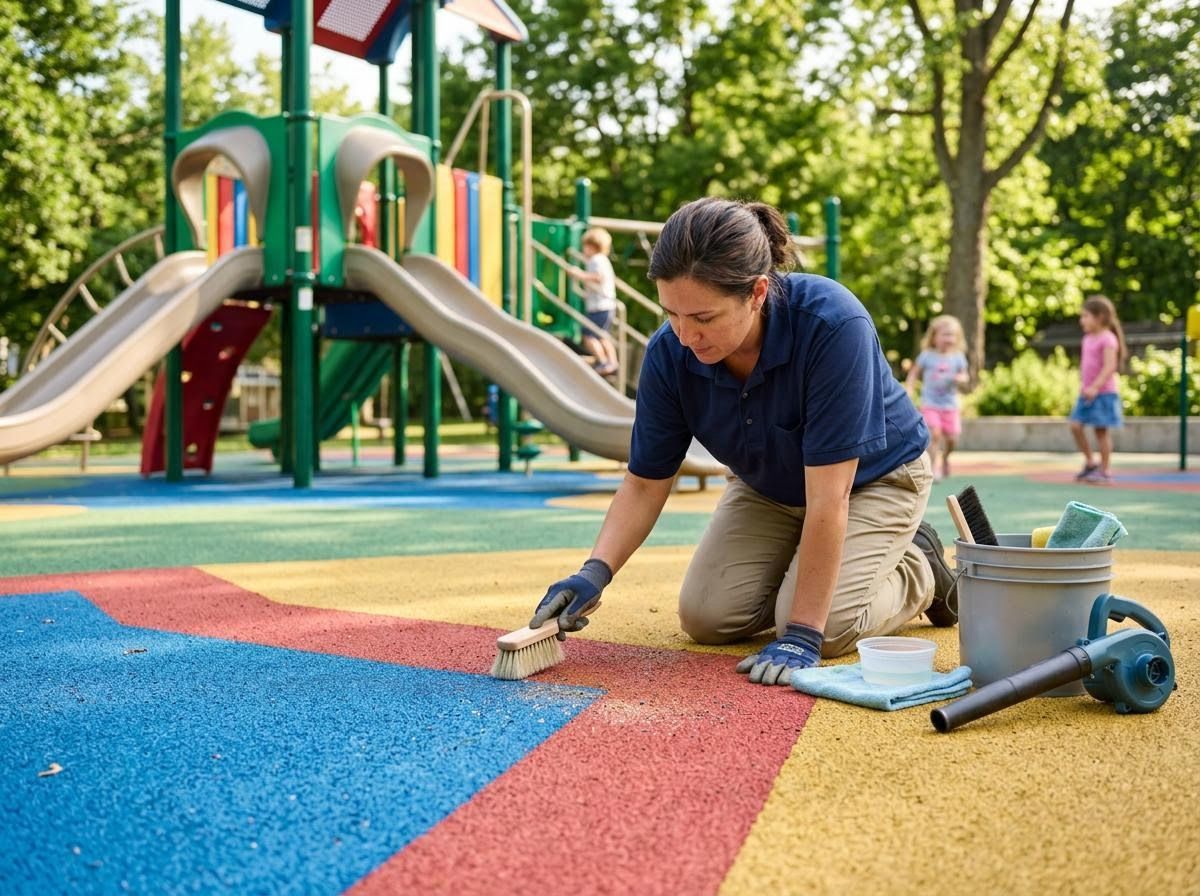
Expected Lifespan and Maintenance Essentials
When properly installed and maintained, high-quality poured-in-place rubber surfacing can reliably last between 10 to 15 years, and sometimes even longer. Regular maintenance is key to maximizing this lifespan. This includes routine cleaning to remove debris, leaves, and dirt that can degrade the surface, as well as periodic inspections for any signs of wear, tears, or damage. Addressing minor repairs promptly, such as patching small cracks or worn spots, can prevent them from escalating into larger, more costly issues. Protective measures like applying UV-resistant sealants can also help guard against sun damage and prolong the vibrancy and elasticity of the rubber.
When to Consider Replacement
Even with diligent care, all surfacing materials eventually reach the end of their functional life. Signs that your poured-in-place rubber might need significant repair or replacement include widespread cracking, hardening of the rubber making it less resilient, significant fading that compromises aesthetic appeal, or areas where the surface has become uneven or delaminated. A professional safety audit can also help determine if the surfacing still meets required fall attenuation standards, ensuring the playground remains a safe environment for all users.
Investing in a poured-in-place rubber playground surface is a commitment to safety and enjoyment for years to come. By understanding the factors that contribute to its longevity and maintaining it diligently, you can ensure your play area remains a vibrant and safe space. If you're looking for durable, high-quality surfacing solutions or need guidance on maintaining your existing playground, explore the options and expertise available to help your project thrive.