
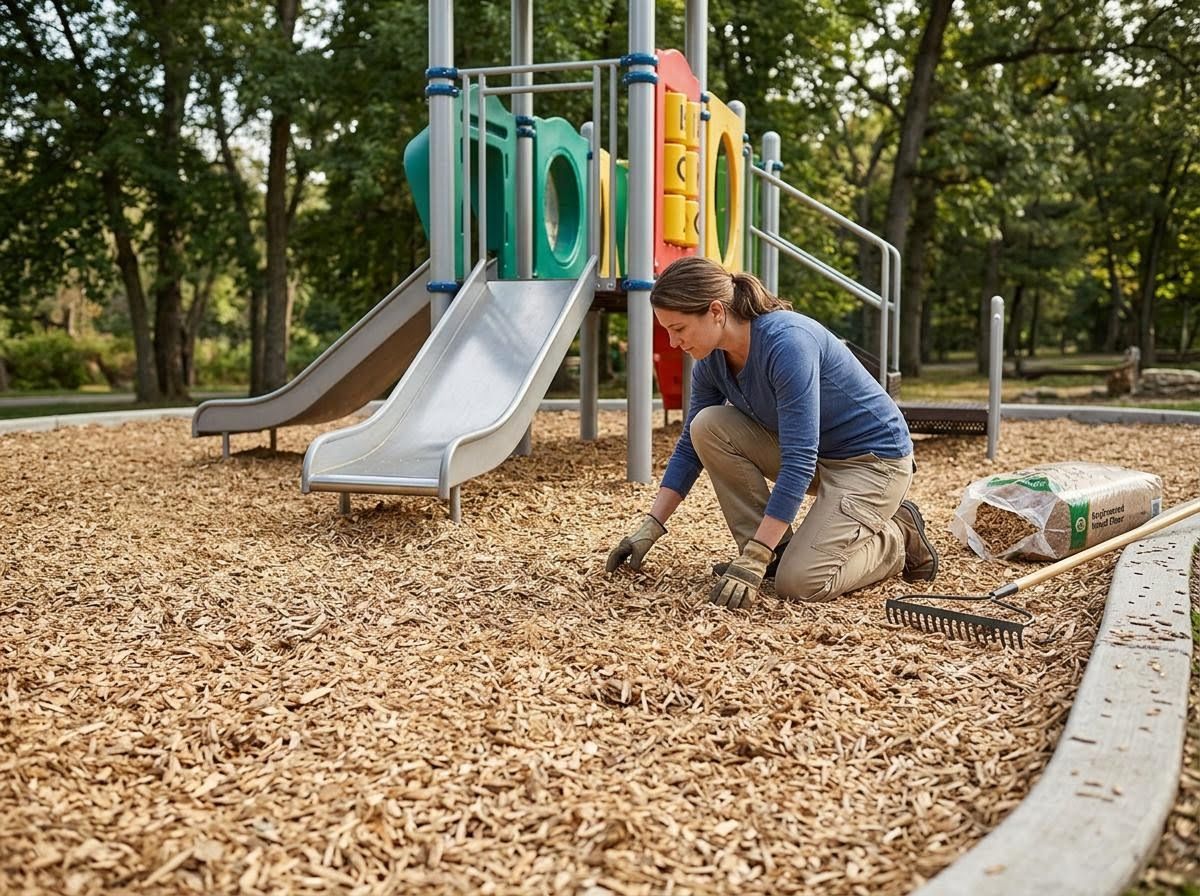
Maintaining a safe and engaging play environment for children is paramount, and for many playgrounds, Engineered Wood Fiber (EWF) is the trusted surfacing choice. While EWF offers excellent impact attenuation and a natural aesthetic, it requires ongoing attention to ensure it continues to meet safety standards. Understanding when and how to "top off" this material is a key aspect of playground upkeep, and at Pacific Playground, we're here to help you navigate this essential maintenance task.
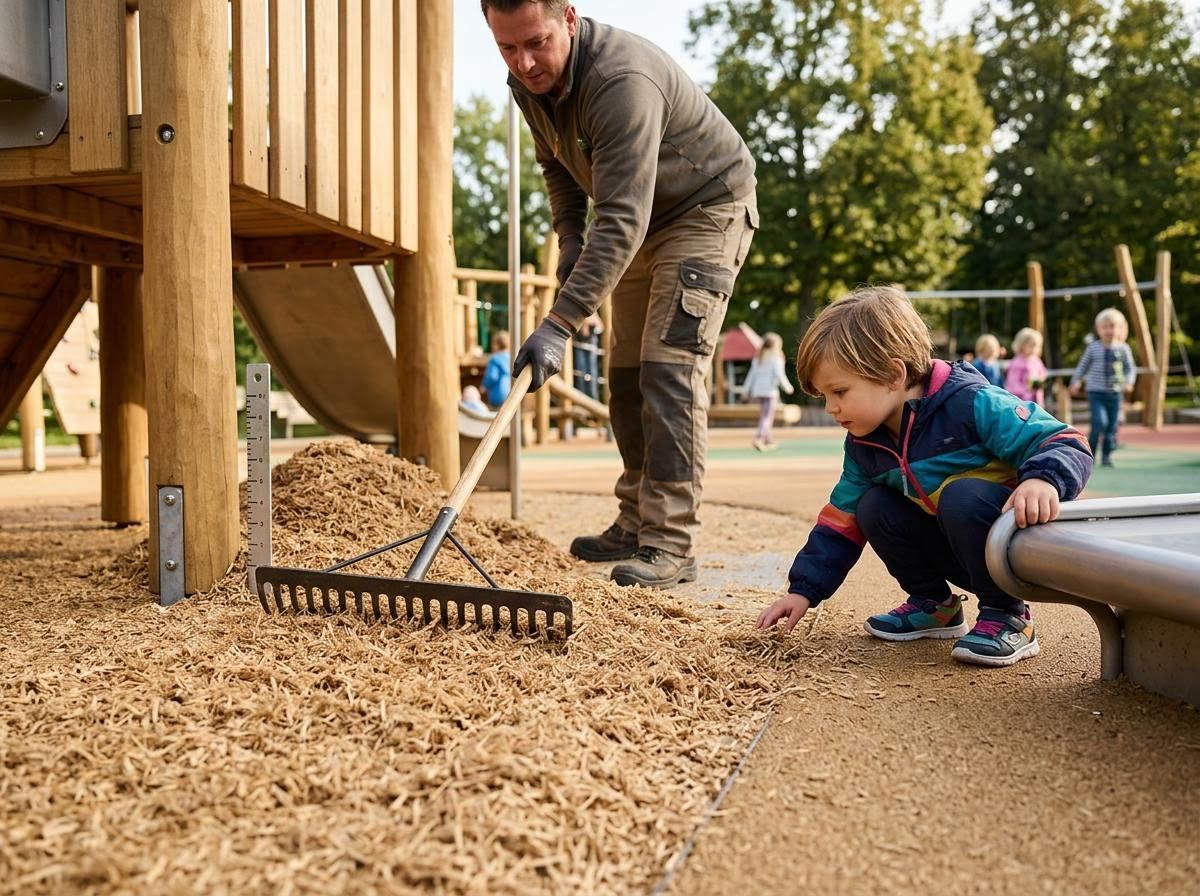
The Critical Role of EWF in Playground Safety
Engineered Wood Fiber is designed to absorb impact from falls, significantly reducing the risk of serious injuries. This material achieves its protective qualities through its natural interlocking structure and depth. Over time, however, EWF can compact, decompose, or be displaced by play activities, weather, or even general foot traffic. When the depth of the EWF falls below the manufacturer's recommendations or the critical fall height required for your specific playground equipment, its ability to cushion falls is severely compromised, putting children at risk. Regular topping off restores the necessary depth and resilience, ensuring the playground remains a safe place for discovery and fun.
Factors Influencing Topping Off Frequency
There's no one-size-fits-all answer for how often EWF needs topping off, as several factors come into play:
Playground Usage: High-traffic areas, especially under swings, at slide exits, and around climbing structures, will experience faster compaction and displacement. More active playgrounds will generally require more frequent attention.
Weather Conditions: Rain can wash away lighter particles, while extreme temperatures can accelerate decomposition. Good drainage can help preserve EWF, but heavy rainfall often necessitates earlier replenishment.
Initial Fill Depth: If the EWF was initially installed at a minimal depth, it will likely require topping off sooner than a playground that started with a more generous amount.
Type of EWF: While all EWF is processed for playground use, variations in wood type and processing can subtly affect its longevity and compaction rate.
How to Assess Your EWF Needs
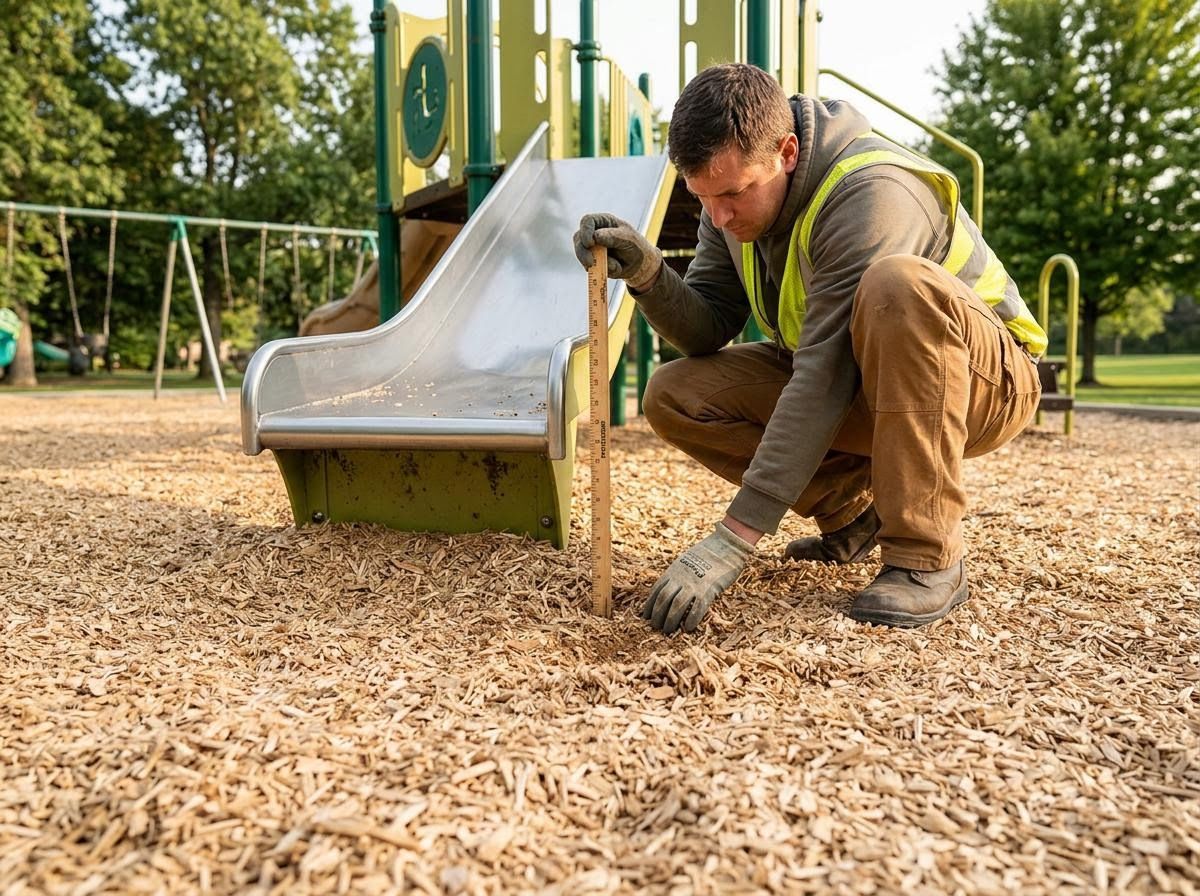
Regular inspections are your best tool for determining when EWF needs replenishing. We recommend monthly checks, and more frequently for highly used areas.
Measure Depth: Use a ruler or a depth gauge to regularly measure the EWF depth, particularly in high-use zones. Compare this against the recommended depth for your playground equipment's critical fall height (e.g., 9-12 inches is common, but always check your equipment's specific requirements).
Look for Compaction: Feel the material. Does it feel hard and packed down, or is it loose and springy? Hard, compacted areas indicate reduced impact absorption.
Identify Bare Spots or Uneven Distribution: Notice if there are areas where the ground is visible, or where the EWF is significantly thinner than in adjacent spots. These areas are immediate safety concerns.
Check for Debris: While not directly related to topping off, excessive debris can also affect EWF performance and indicates a need for general maintenance.
Ensuring your playground's Engineered Wood Fiber remains at the optimal depth is a continuous and vital task for maintaining a safe play environment. By understanding the factors that affect EWF longevity and regularly inspecting your surfacing, you can proactively address safety concerns and keep children protected. If you have questions about EWF maintenance or need assistance in assessing your playground's surfacing needs, reaching out to experienced professionals can provide valuable insights and solutions.