
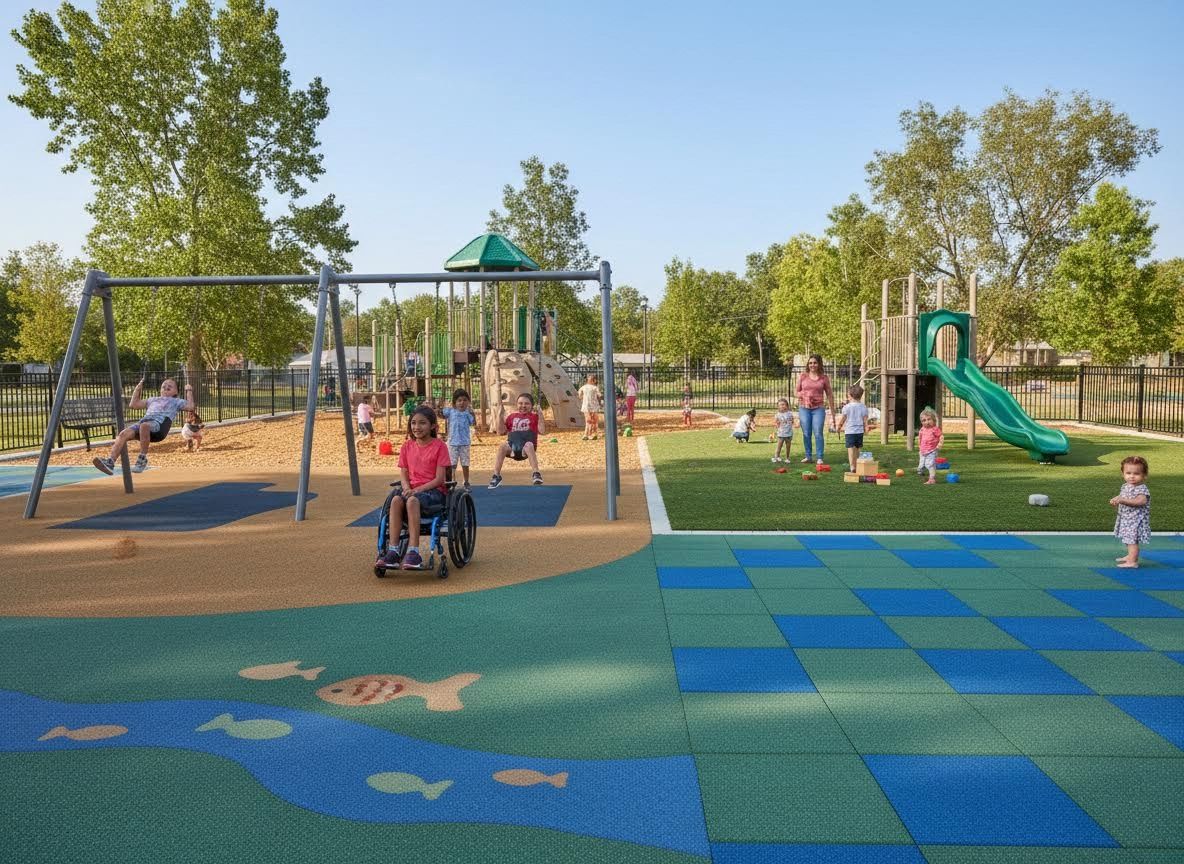
Choosing the right Playground surfacing is one of the most critical decisions for any play area, directly impacting safety, accessibility, and the overall enjoyment of the space. At Pacific Playground, we understand that the surface beneath any Playground equipment is just as crucial as the equipment itself. This guide will walk you through the essential considerations for selecting the best option for your specific needs, ensuring a safe and engaging environment for children of all ages.
Understanding Your Site's Specific Requirements
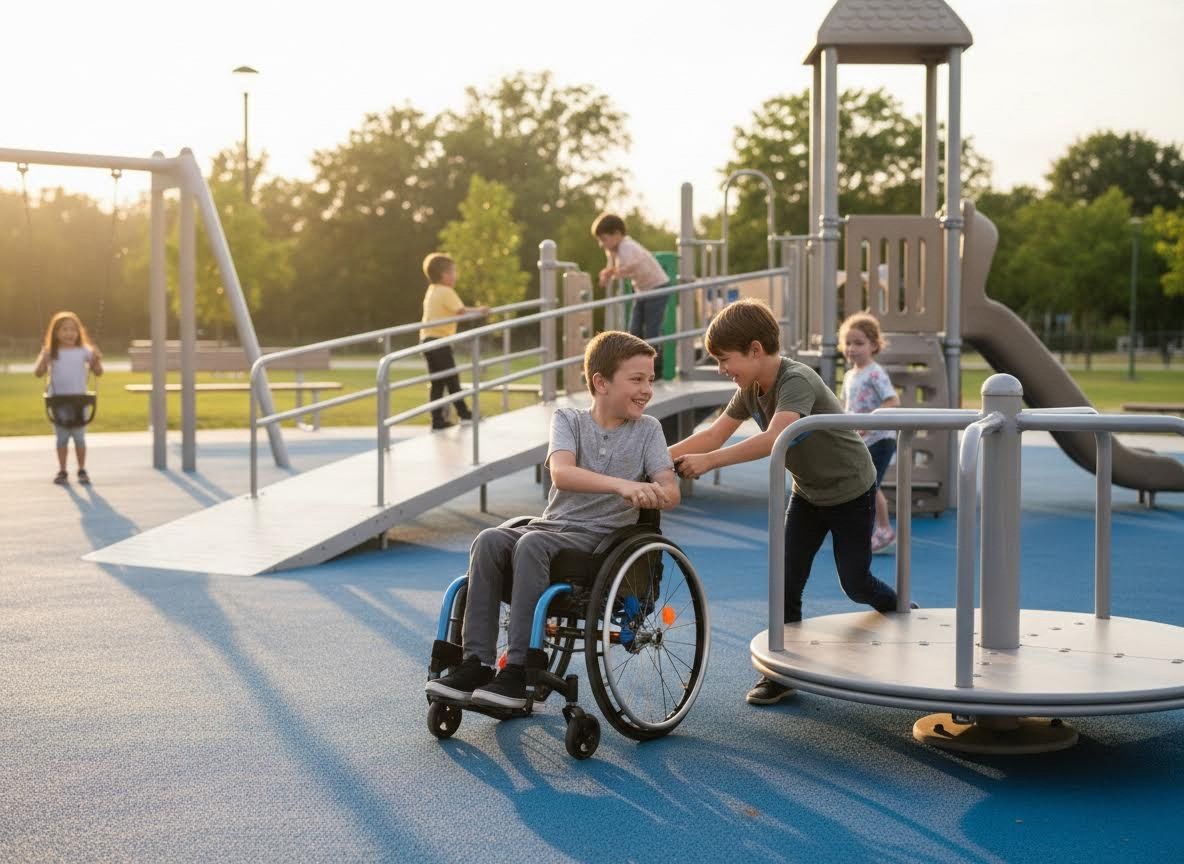
Before diving into different materials, it's vital to assess the unique demands of your site. Consider the age range of the children who will be using the Playground, as this dictates the required critical fall height protection. Your budget, both for initial installation and long-term maintenance, will significantly influence your choices. Also, think about accessibility for all users, including those with mobility challenges, which might require ADA-compliant surfacing options. Environmental factors like drainage, sunlight exposure, and local climate should also play a role in your decision-making process.
Exploring Popular Surfacing Materials
There are several effective Playground surfacing options available, each with its own benefits and considerations. Engineered Wood Fiber (EWF) is a popular, cost-effective choice known for its natural appearance and excellent impact absorption when properly maintained. Rubber tiles offer consistent safety, are low maintenance, and come in various colors and designs, making them ideal for specific aesthetic or thematic needs. Poured-in-place (PIP) rubber provides a seamless, highly durable, and customizable surface, perfect for intricate designs or areas requiring superior impact absorption and accessibility. Finally, artificial turf, often combined with a shock-absorbing underlayment, offers a clean, green look with good drainage, providing an inviting surface that is durable and aesthetically pleasing for any School playground.
Crucial Safety and Maintenance Considerations
Regardless of the material you choose, ensuring it meets current safety standards, such as ASTM F1292 for impact attenuation, is paramount. Each surfacing type requires different levels of maintenance to preserve its safety and longevity. EWF needs regular raking and replenishment to maintain its critical depth and prevent compaction. Rubber tiles and poured-in-place surfaces, while generally low maintenance, require periodic inspection for wear, tears, or damage that could compromise their protective qualities. Understanding the long-term commitment to upkeep, including professional resurfacing when necessary, will help you select a material that remains safe and functional for years to come.
Choosing the Ideal Solution for Lasting Value
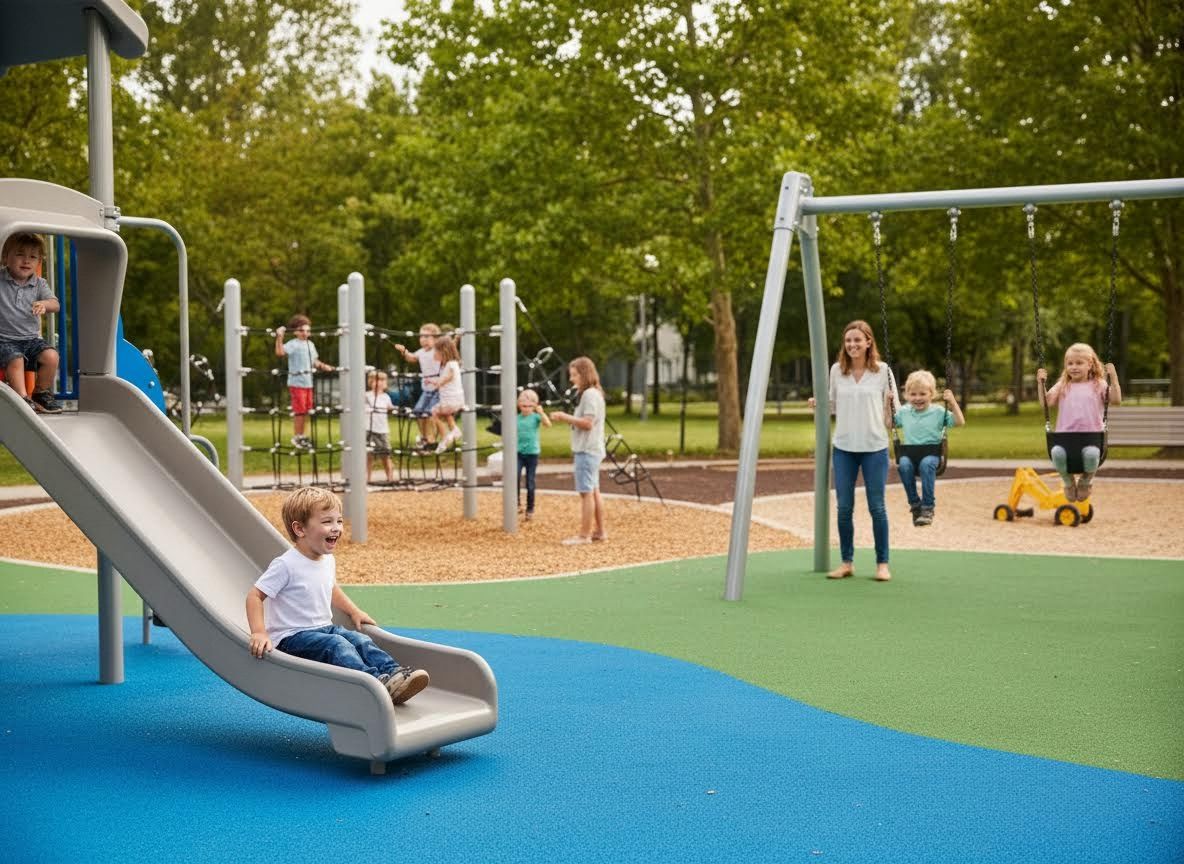
Selecting the best Playground surfacing option involves a careful balance of safety, budget, maintenance, and aesthetic appeal. By thoroughly evaluating your site's specific requirements, understanding the characteristics of various materials, and committing to proper upkeep, you can ensure a safe and enjoyable play environment. Pacific Playground is dedicated to helping you navigate these important choices, offering expert guidance and high-quality solutions that meet the highest standards for every Playground. To delve deeper into specific surfacing materials and their suitability for your next project, please consult our detailed product guides.