
Ensuring the safety of children at play is paramount, and for any commercial playground, meeting stringent safety standards is not just a recommendation—it's a legal and ethical imperative. From design to installation and ongoing maintenance, every aspect of a play environment must adhere to specific guidelines to prevent injuries and provide a secure space for fun. At Pacific Playground, we understand the critical nature of these standards and work diligently to ensure every project exceeds expectations for safety and enjoyment. This post will explore the key safety requirements that all commercial playgrounds must satisfy.
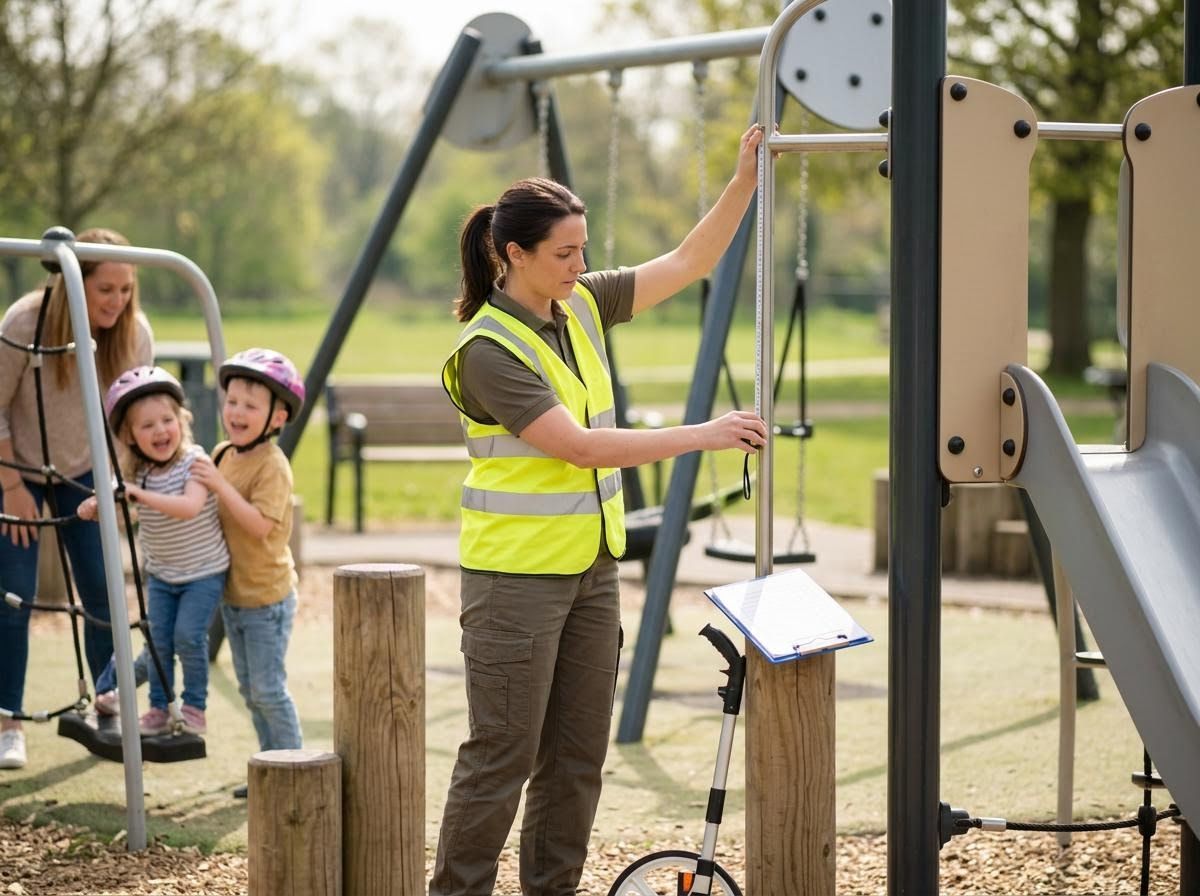
Adhering to Industry Standards and Regulations
The foundation of playground safety lies in adherence to established industry standards. In the United States, the primary guidelines come from the ASTM International (formerly American Society for Testing and Materials) and the U.S. Consumer Product Safety Commission (CPSC). ASTM F1487 provides comprehensive safety performance specifications for public use playground equipment, covering everything from equipment design to installation and maintenance. The CPSC's Public Playground Safety Handbook offers further recommendations for designing, constructing, operating, and maintaining public playgrounds. These documents are crucial for preventing hazards like entrapments, falls, and impact injuries, dictating specifications for things like equipment height, spacing, and material durability.
The Importance of Safe Surfacing Solutions
Perhaps one of the most critical safety aspects of any commercial playground is the surfacing beneath and around the equipment. Falls are the leading cause of playground injuries, making impact-attenuating surfaces essential. The chosen material must meet specific fall height requirements, which are determined by the height of the highest designated play surface. Popular and effective options include pour in place rubber surfacing, which offers a seamless, shock-absorbent layer in various colors, and Engineered Wood Fiber, a natural, loose-fill material that provides excellent impact absorption when properly maintained. Both options drastically reduce the risk of serious injury from falls, provided they are installed correctly and maintained to their specified depths.
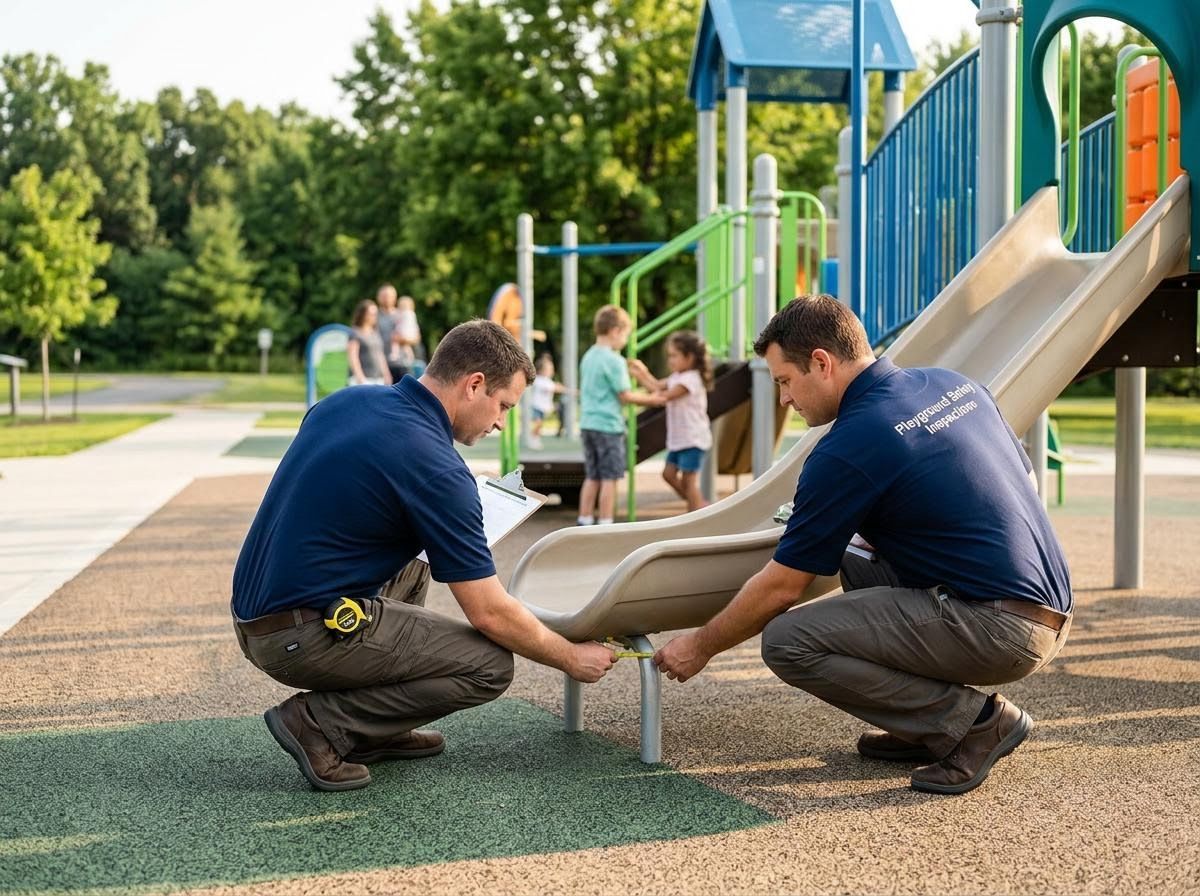
Expert Design, Installation, and Maintenance
Beyond selecting safe equipment and surfacing, the overall design and proper installation are non-negotiable for playground safety. A well-designed commercial playground considers age-appropriateness, traffic flow, and clear sightlines for supervision, eliminating potential pinch points or entanglement hazards. This is where professional expertise in custom playground installation becomes invaluable, ensuring that every piece of equipment is anchored securely and that safety zones are correctly measured and implemented. Furthermore, regular inspection and maintenance routines are vital. Worn components, loose bolts, or displaced surfacing can quickly turn a safe play area into a dangerous one. A comprehensive maintenance schedule, including checks for wear and tear, cleanliness, and proper surfacing depth, ensures the playground remains safe for years to come.
Meeting critical safety standards for any commercial playground is an ongoing commitment that requires careful planning, expert execution, and diligent maintenance. By understanding and adhering to these vital guidelines, we can collectively ensure that children have access to play environments that are not only fun and engaging but also inherently safe. To learn more about how to achieve the highest safety standards for your next play area project, explore detailed resources on playground safety and design.