
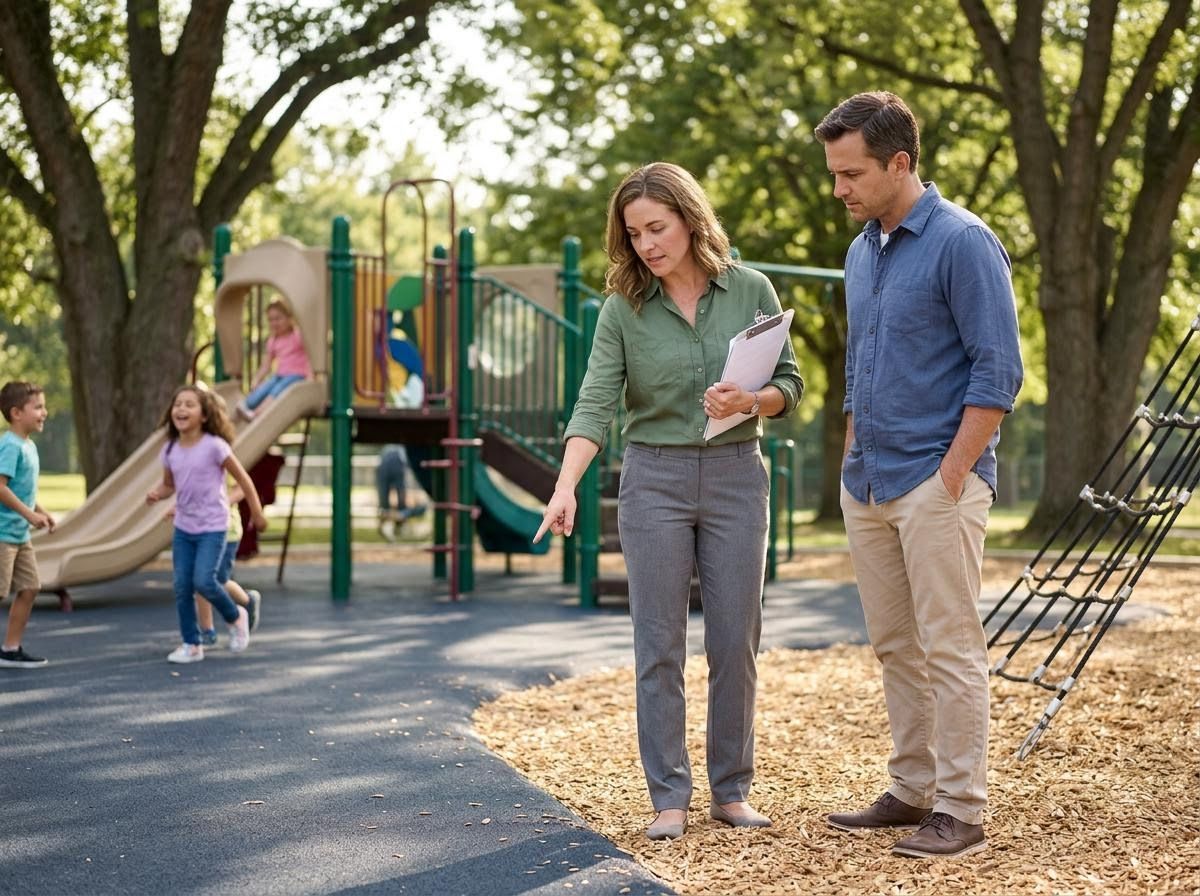
When planning a new playground or renovating an existing one, choosing the right safety surfacing is a critical decision, impacting not only safety but also the long-term budget. Two popular options for playground surfacing are Poured-in-Place (PIP) rubber and Engineered Wood Fiber (EWF). Understanding the cost differences between these materials is essential for making an informed choice, and at Pacific Playground, we're here to help you navigate these important considerations.
Initial Investment: Upfront Costs Compared
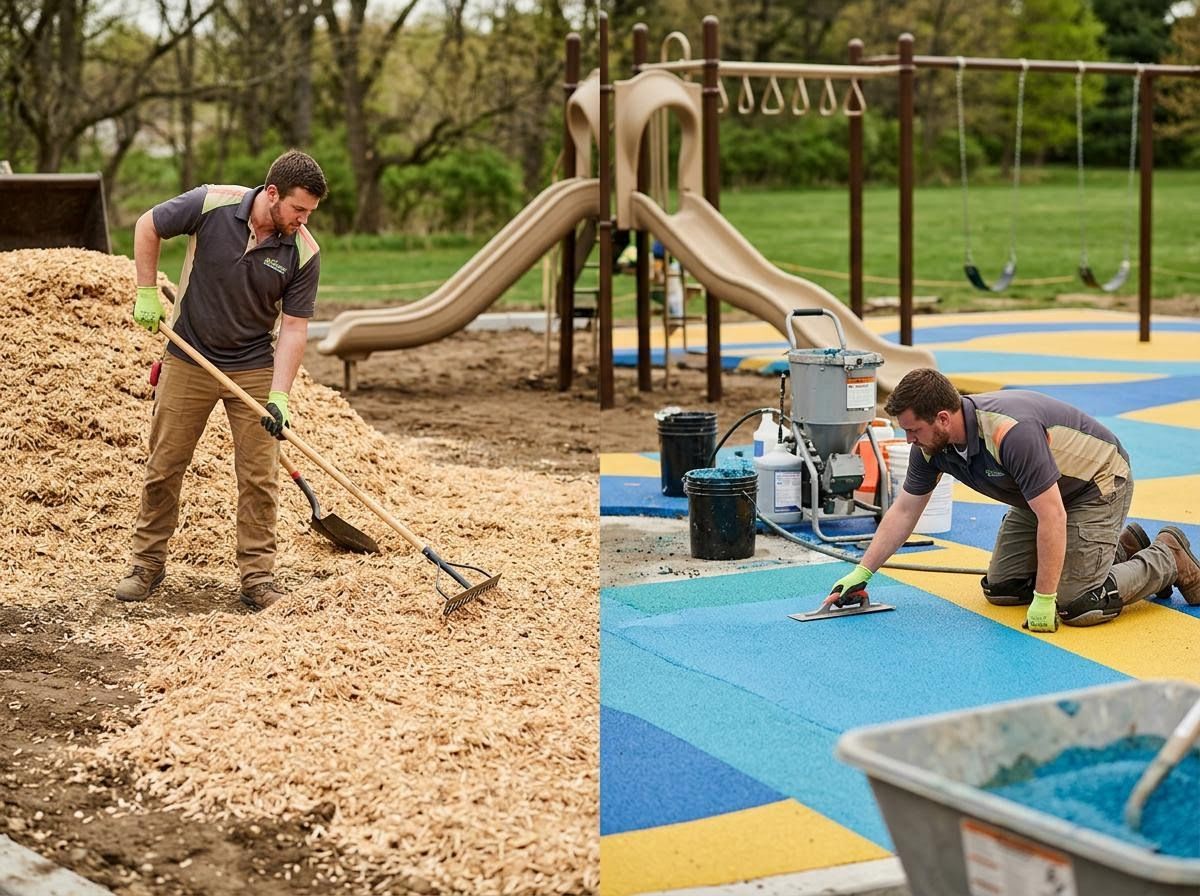
Generally, Engineered Wood Fiber (EWF) presents a lower initial cost compared to Poured-in-Place (PIP) rubber. EWF is a loose-fill material, often delivered in bulk, and its installation typically requires less specialized labor and equipment. This makes it an attractive option for projects with tighter upfront budgets. On the other hand, Poured-in-Place rubber is a premium surface. Its material cost is higher due to its complex composition, and the installation process is labor-intensive, requiring trained professionals to mix and apply multiple layers on-site. This specialized application contributes significantly to its higher initial price tag.
Long-Term Value: Maintenance and Longevity
While EWF might be more budget-friendly initially, it often incurs higher ongoing maintenance costs. EWF needs regular raking and replenishment, especially in high-traffic areas, to maintain its critical fall height protection and prevent displacement. It can also decompose over time, requiring periodic top-ups and eventually full replacement within 5-10 years, depending on usage and climate. In contrast, Poured-in-Place rubber, with its durable, seamless surface, requires minimal daily maintenance beyond occasional cleaning. Although minor repairs might be needed over its lifespan, a well-installed PIP surface can last 10-15 years or even longer, significantly reducing long-term material and labor expenses for upkeep and replacement.
Performance and Indirect Cost Considerations
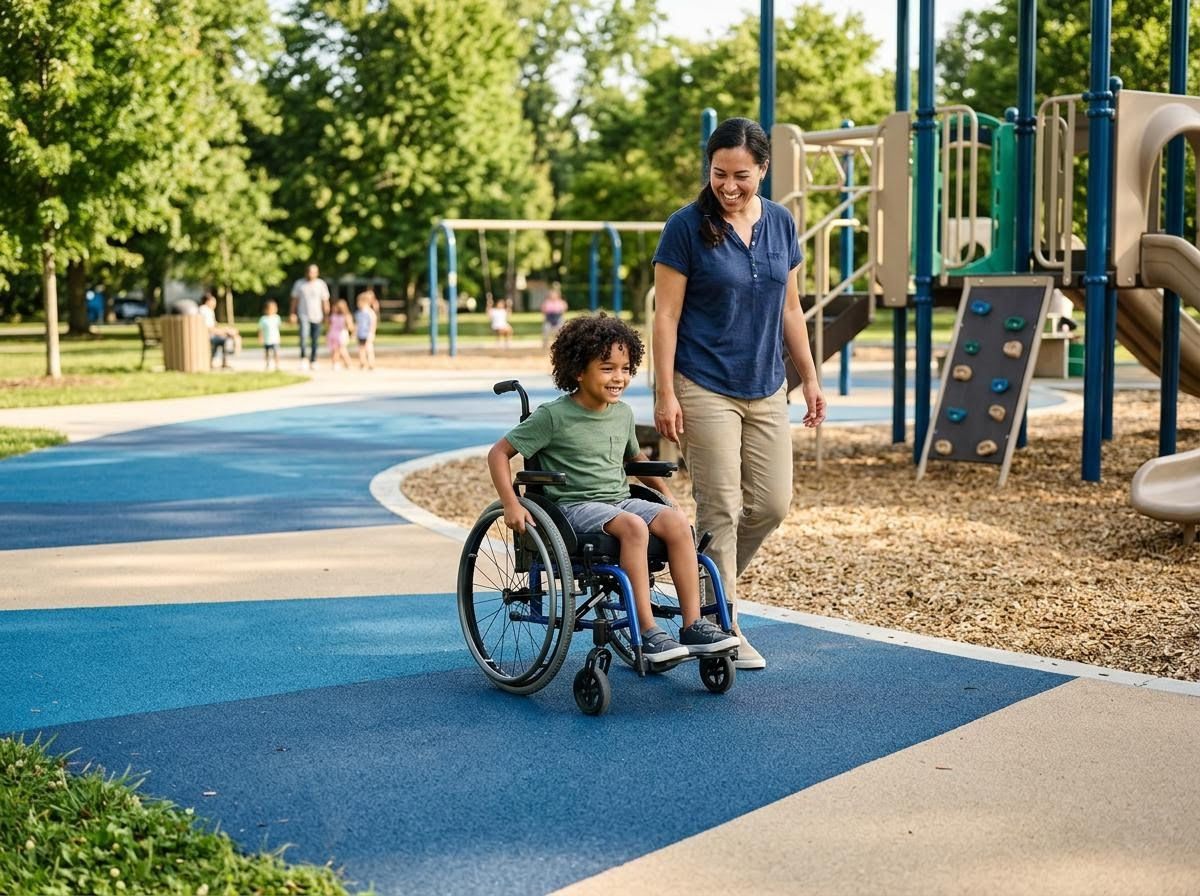
Beyond direct material and labor costs, it’s important to consider other factors that contribute to the overall value. Poured-in-Place rubber offers superior accessibility, providing a smooth, level surface that is ADA compliant and easily traversable for wheelchairs and other mobility devices, which can be a key requirement for many facilities. This eliminates the need for additional accessible pathways, which might be necessary with EWF, adding to the overall project cost. While harder to quantify, the consistent impact attenuation and seamless nature of PIP can also contribute to a perceived reduction in incident rates, potentially lowering long-term liability concerns, and offering greater peace of mind.
Project Scope and Budget Alignment
Ultimately, the "better" or more cost-effective option depends heavily on your specific project needs, budget, and long-term vision. For projects with very limited initial capital and the capacity for ongoing maintenance, EWF can be a viable solution. However, for those prioritizing longevity, low maintenance, superior accessibility, and a vibrant, customizable aesthetic, the higher initial investment in Poured-in-Place rubber often translates to greater long-term savings and value. Weighing these factors carefully will help you align the surfacing choice with your project's overall goals and operational capabilities.
Choosing the ideal playground surfacing involves more than just the sticker price; it requires a comprehensive look at initial outlays, ongoing maintenance, expected lifespan, and performance benefits. Both Poured-in-Place rubber and Engineered Wood Fiber offer distinct advantages, and understanding these nuances is crucial for making a decision that supports both safety and fiscal responsibility. To explore which surfacing solution best fits your project's unique requirements and budget, we encourage you to consult with experienced playground professionals who can provide tailored insights and help you plan your next vibrant play space with Pacific Playground.